
Mulch vs. Compost: Which One Does Your Yard Actually Need?
Mulch vs. Compost: Which One Does Your Yard Actually Need?
Two of the most commonly used landscape materials are mulch and compost — but they serve very different purposes. Knowing which one your yard needs can save you time, money, and frustration. At Nature's Harvest Mulch in Bethany, CT, we help homeowners, contractors, and property managers across Connecticut choose the right product every time.
Understanding the Difference Between Mulch and Compost
Mulch and compost are not interchangeable. Each product is designed for a specific job, and using the wrong one for your project can limit your results. Here's a clear breakdown of what each one does and when to use it.
What Is Mulch and What Is It Used For?
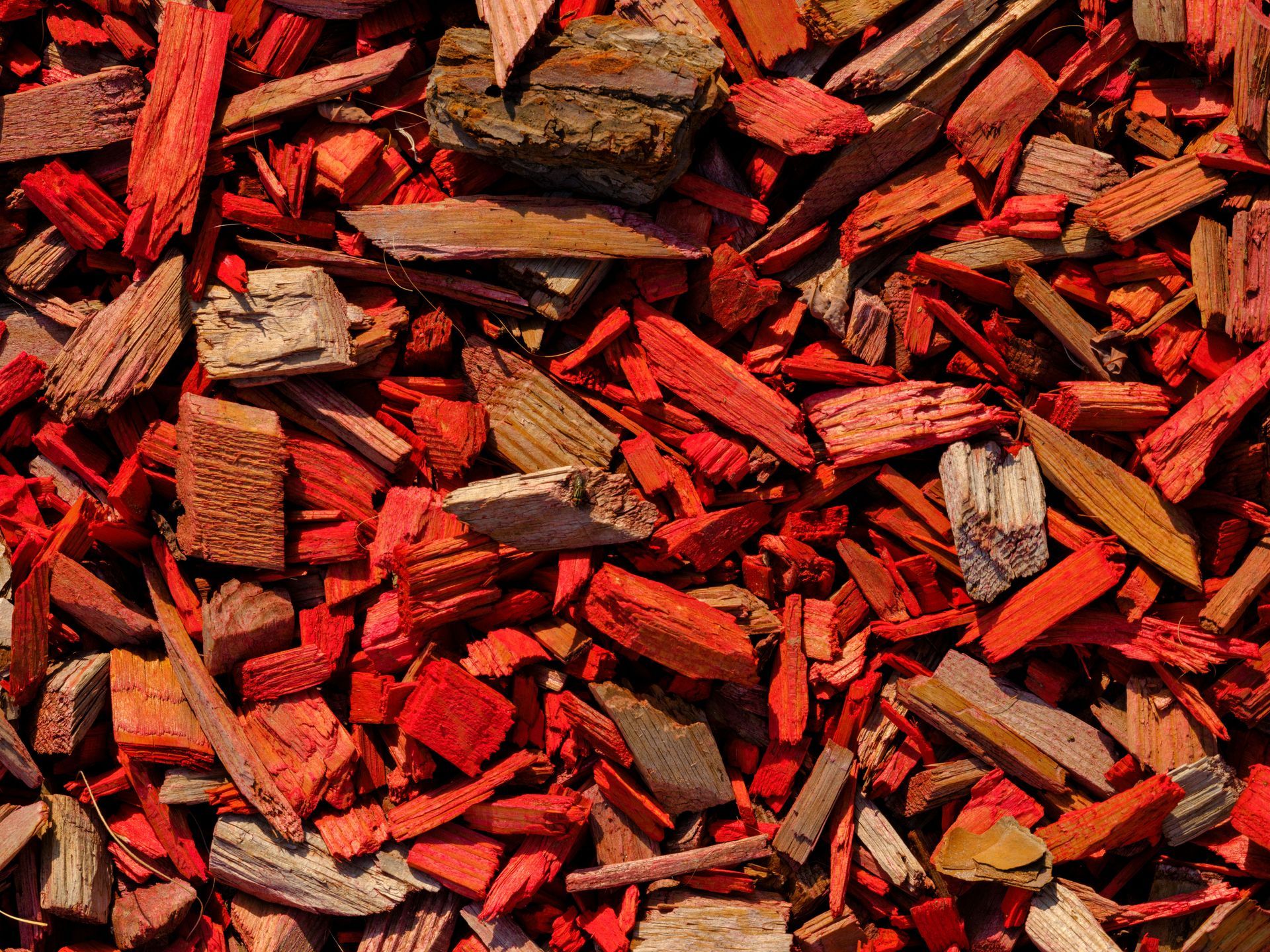
Mulch is a protective ground covering applied on top of soil, typically in garden beds, around trees, and along walkways. It helps retain soil moisture, regulate temperature, suppress weeds, and improve the overall appearance of your landscape.
At Nature's Harvest Mulch, we offer a variety of mulch options including hardwood, black, and red mulch — all produced in-house and certified toxin-free. Each type has specific visual and functional benefits, from color retention to best use around trees versus flower beds.
What Is Compost and When Should You Use It?
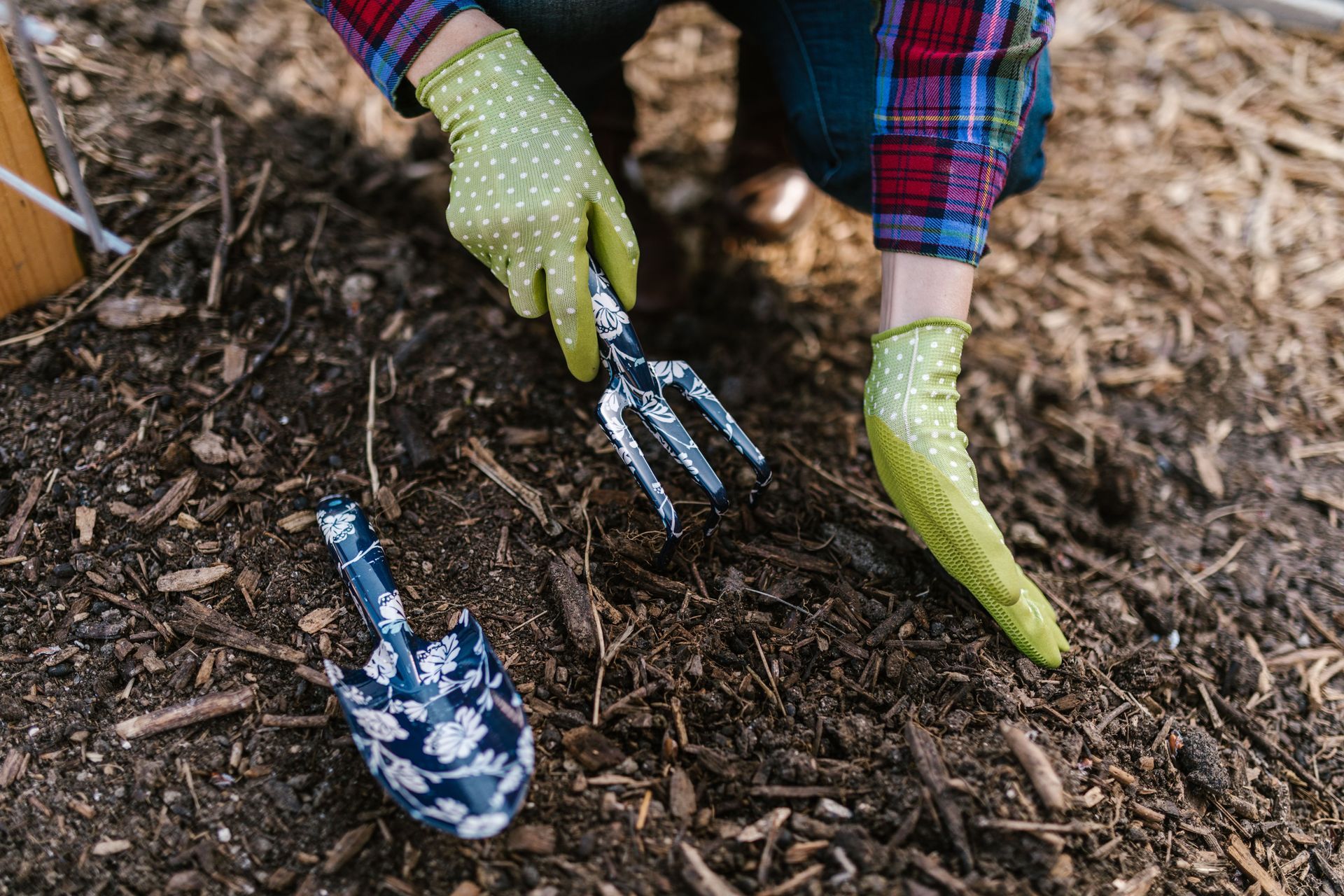
Compost is a nutrient-rich organic material that is mixed directly into the soil to improve its quality. It's most commonly used in vegetable gardens, raised beds, and planting areas where you want to support healthy plant growth from the ground up.
Unlike mulch, which sits on top of the soil, compost works beneath the surface — feeding roots and improving soil structure over time. If you have a small backyard vegetable patch or are preparing a new planting area, compost is the product you want to reach for.
Key Differences at a Glance
Mulch goes on top of the soil to protect it. Compost goes into the soil to enrich it. If you're trying to improve your garden bed visually and control weeds, you need mulch. If you're growing vegetables or improving poor-quality soil, compost is the right choice. In many cases, a combination of both is the most effective approach — compost to enrich, mulch to protect.
Professional Insight: Choose Based on Your Goals
When homeowners call us, the first question we ask is: what are you trying to accomplish? Aesthetic improvement and weed control points to mulch. Soil enrichment and food growing points to compost. When in doubt, our team is happy to walk you through the right choice for your specific project — no guesswork required.
When to Order From Nature's Harvest Mulch
Whether you're refreshing your garden beds this season or starting a new vegetable garden, Nature's Harvest Mulch has the products you need. We serve all of Connecticut with fast delivery — often available within the next day. Visit naturesharvestmulch.com to browse our products, use our free mulch calculator, and place your order today.
Frequently Asked Questions
What is the difference between mulch and compost?
Mulch is applied on top of soil to protect it, retain moisture, and suppress weeds, while compost is worked into the soil to add nutrients and improve soil structure. Mulch is primarily functional and decorative, while compost feeds plants and enriches poor soil. They serve different purposes and can be used together for best results in a garden or landscape bed.
Can I use compost instead of mulch in my garden beds?
Compost and mulch are not direct substitutes for each other. Compost is mixed into soil and works best when growing vegetables or improving soil quality. Mulch is spread on top of soil to protect it and improve appearance. For established garden beds with plants or shrubs, mulch is the better surface treatment. Compost is more appropriate when preparing new planting areas or amending poor-quality soil.
How deep should I apply mulch in my garden beds?
A layer of 2 to 3 inches of mulch is typically recommended for most garden beds. Too little mulch won't effectively suppress weeds or retain moisture. Too much can suffocate plant roots or create conditions for mold. When applying mulch around trees, keep it a few inches away from the trunk to prevent rot and pest damage.
How much mulch or compost will I need for my project?
The amount you need depends on the square footage of your project area and the depth you want to achieve. Nature's Harvest Mulch offers a free online calculator at naturesharvestmulch.com to help you estimate the right number of yards. Delivery is available across Connecticut with a minimum order of 2 yards, and delivery pricing is flat — it doesn't increase based on how much you order.
Should I hire a professional to apply mulch or compost?
Many homeowners apply mulch and compost themselves, but for larger properties or if you're unsure which product to use, working with a knowledgeable supplier makes a real difference. Nature's Harvest Mulch delivers directly to your property across all of Connecticut — you don't even need to be home. Contact us today to place your order or ask about your specific project.